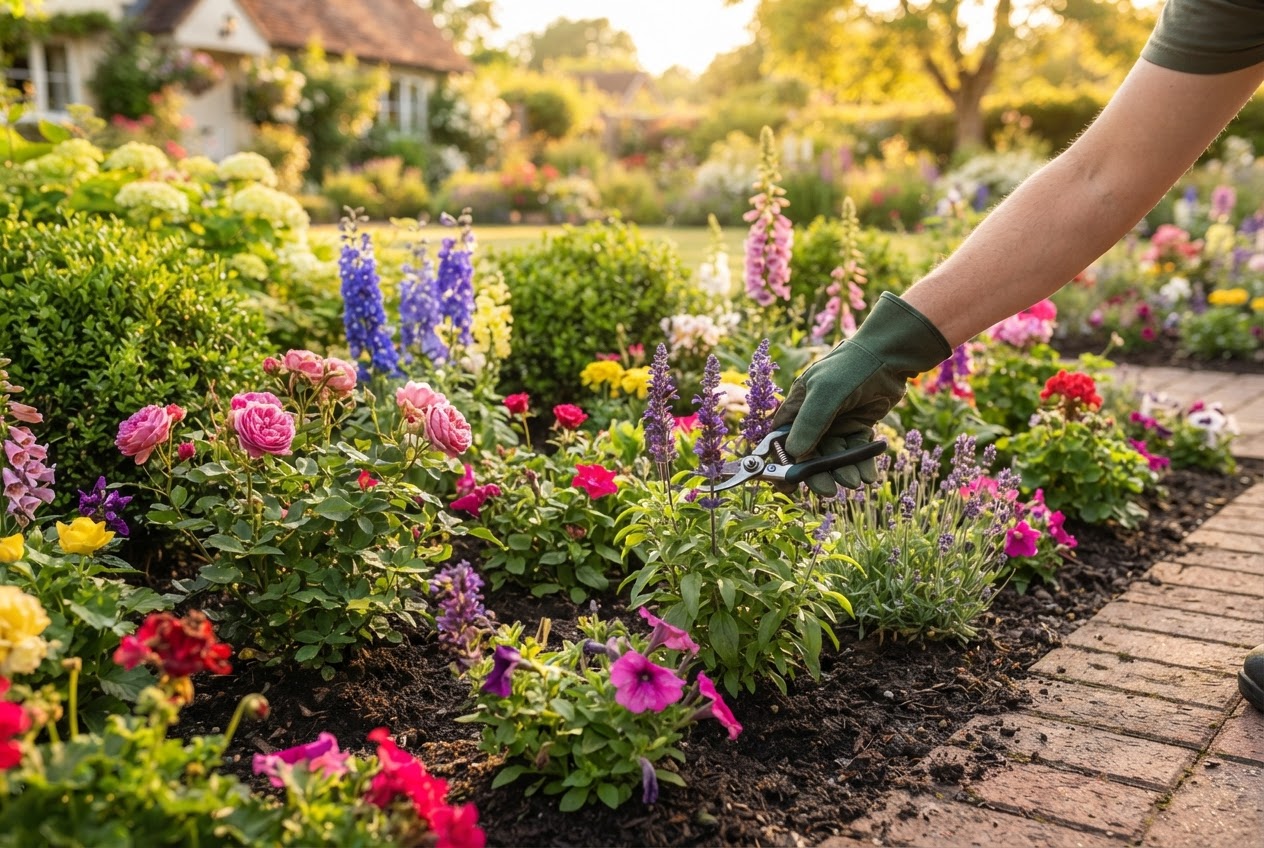
A beautiful garden doesn't happen by accident — it requires consistent, knowledgeable care. But how often should garden beds really be maintained? The answer depends on several factors, including your plant types, the season, your garden's maturity, and your standards for appearance.
In this guide, we'll break down the ideal maintenance frequency for garden beds in Santa Rosa and Sonoma County, along with what tasks need to be done and when.
Why Regular Garden Bed Maintenance Matters
Garden beds are living, evolving ecosystems. Without regular attention, they can quickly become overgrown, weed-infested, and unhealthy. Consistent maintenance provides several key benefits:
- Weed control: Regular weeding prevents weeds from establishing and spreading
- Plant health: Pruning, deadheading, and fertilizing keep plants vigorous
- Disease prevention: Good air circulation and clean beds reduce disease
- Aesthetic appeal: Well-maintained beds look intentional and polished
- Pest management: Regular visits catch pest problems early
Factors That Affect Maintenance Frequency
Plant Types
Different plants have different maintenance needs:
- Annual flowers: High maintenance — need regular deadheading and replacement
- Perennials: Moderate maintenance — seasonal pruning and division
- Shrubs: Low to moderate — periodic pruning and shaping
- Drought-tolerant natives: Low maintenance — minimal watering and pruning
- Vegetable gardens: High maintenance — frequent watering, weeding, and harvesting
Season
Growth rates vary dramatically by season in Sonoma County:
- Spring: Rapid growth — highest maintenance needs
- Summer: Slower growth but watering needs increase
- Fall: Second growth spurt — moderate maintenance
- Winter: Minimal growth — lowest maintenance needs
Garden Age and Maturity
New gardens need more frequent attention as plants establish. Mature gardens with well-established plants and good mulch coverage generally require less frequent maintenance.
Sun Exposure
Full-sun gardens typically grow faster and need more frequent maintenance than shaded gardens.
Recommended Maintenance Frequency
High-Maintenance Gardens (Weekly)
Gardens with the following characteristics typically benefit from weekly maintenance:
- Extensive annual flower beds
- Vegetable gardens during growing season
- High-visibility front yard beds
- Properties with rapid weed pressure
- Gardens with many flowering plants needing deadheading
Moderate-Maintenance Gardens (Bi-Weekly)
Most standard residential gardens fall into this category. Bi-weekly maintenance is appropriate for:
- Mixed perennial and shrub beds
- Established gardens with good mulch coverage
- Backyard garden beds
- Properties with moderate weed pressure
Low-Maintenance Gardens (Monthly)
Monthly maintenance may suffice for:
- Drought-tolerant and native plant landscapes
- Established shrub borders
- Mulched beds with minimal annuals
- Shaded garden areas with slow growth
Seasonal Maintenance Tasks
Spring (March–May)
- Cut back perennials and ornamental grasses
- Remove winter mulch and debris
- Divide overgrown perennials
- Apply fresh mulch
- Plant new additions
- Begin regular weeding
Summer (June–August)
- Deadhead flowering plants regularly
- Monitor watering needs
- Control weeds before they seed
- Watch for pests and diseases
- Light pruning of hedges
Fall (September–November)
- Cut back spent perennials
- Clean up fallen leaves
- Plant spring-blooming bulbs
- Apply winter mulch
- Final weeding of the season
Winter (December–February)
- Minimal active maintenance
- Prune dormant trees and shrubs
- Plan for spring changes
- Monitor for storm damage
Essential Garden Bed Maintenance Tasks
Regardless of frequency, these core tasks should be part of your maintenance routine:
Weeding
The single most important and frequent task. Weeds compete with your plants for water, nutrients, and light. Regular weeding prevents weeds from going to seed and spreading.
Deadheading
Removing spent flowers encourages plants to produce more blooms and extends the flowering season. This is especially important for annuals and repeat-blooming perennials.
Pruning and Shaping
Regular light pruning keeps shrubs and perennials in good shape. Major pruning is typically done seasonally, but light shaping can be done during maintenance visits.
Mulch Maintenance
Mulch breaks down over time and needs replenishing. A fresh layer of mulch annually suppresses weeds, retains moisture, and keeps beds looking fresh. Professional mulch installation ensures proper application.
Fertilizing
Most garden plants benefit from seasonal fertilization. Slow-release organic fertilizers applied in spring and fall provide steady nutrition without excessive growth.
Pest and Disease Monitoring
Regular maintenance visits are the best way to catch pest and disease problems early, before they become serious. Look for unusual spots, holes in leaves, sticky residue, or visible pests.
Professional Garden Maintenance
If maintaining your garden beds sounds overwhelming, professional garden maintenance services can take care of everything. A professional team:
- Has the knowledge to care for different plant species properly
- Brings their own tools and equipment
- Follows a consistent schedule
- Catches problems early
- Provides all-season care
At A & J Yard Service, we provide customized garden maintenance programs throughout Santa Rosa and Sonoma County. Our team handles weeding, pruning, deadheading, fertilizing, and seasonal care, tailored to your garden's specific needs.
Conclusion
For most Sonoma County gardens, bi-weekly maintenance during the growing season provides the right balance of care and cost. High-maintenance gardens with extensive flower beds may need weekly attention, while low-maintenance native landscapes may do fine with monthly visits.
The key is consistency — regular maintenance prevents problems from building up and keeps your garden looking its best. Whether you do it yourself or hire professionals, a well-maintained garden provides beauty, enjoyment, and value throughout the year.
Need help maintaining your garden beds? Contact us for a free estimate on professional garden maintenance services in Santa Rosa and throughout Sonoma County.
Need Help with Your Yard?
Get a free estimate from Santa Rosa's trusted landscaping team.
Get Free Estimate